Optimize Your Fleet and Technicians with Our Advanced GPS Tracking Solutions
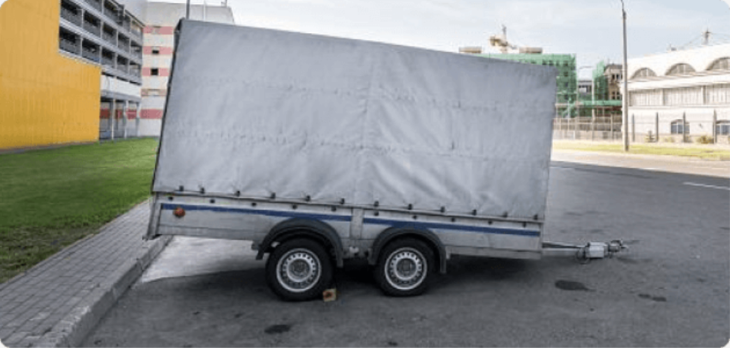
We offer GPS tracking for assets that require you to have exact data on the location of your equipment. We also map the number of operating hours for you, so you keep track of when which device needs maintenance.
For assets that are not continuously powered we offer battery powered GPS tracking solutions so you will know its location regardless of its power status.
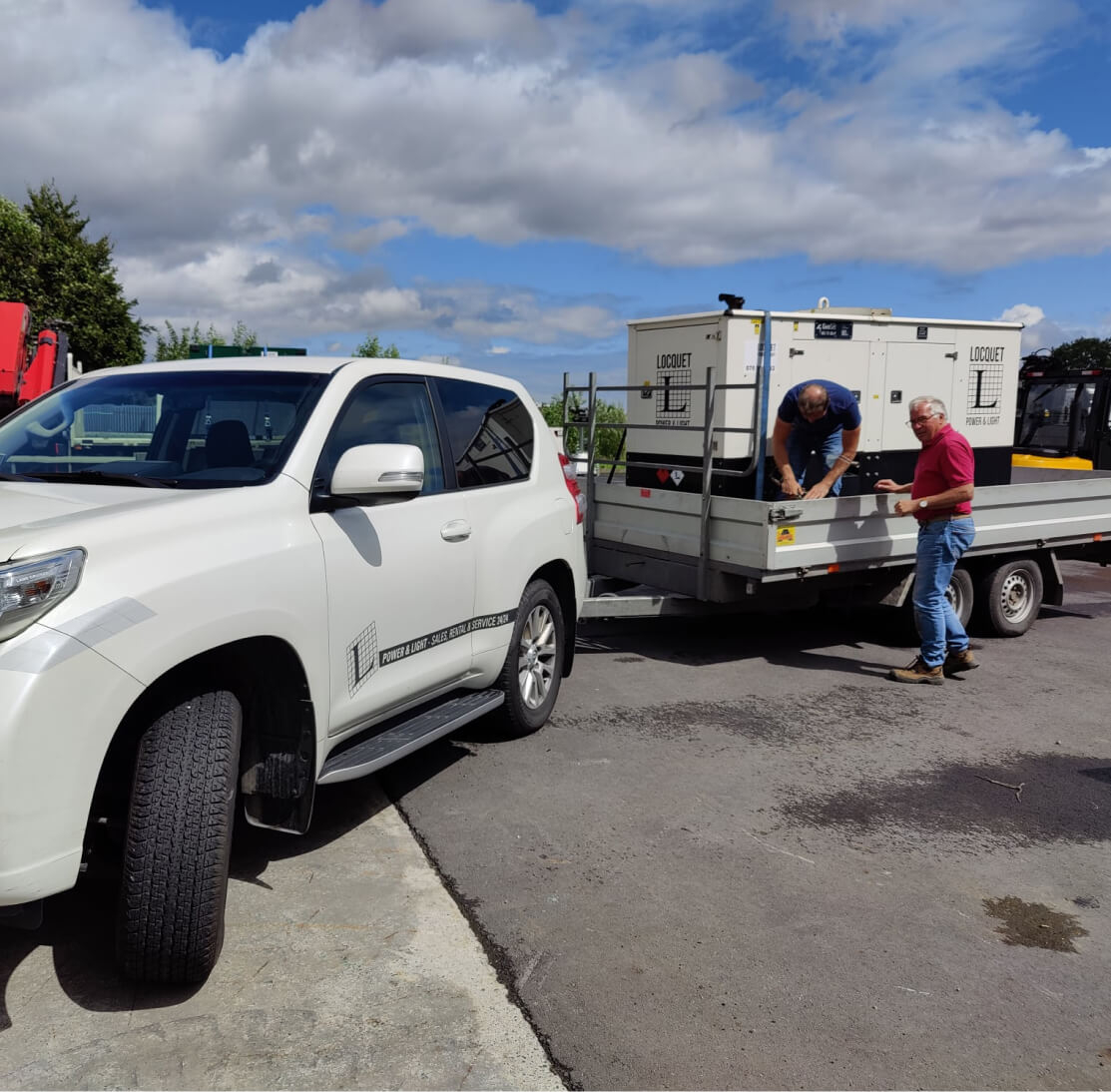
Your service and maintenance technicians are responsible for maintaining your machinery and providing optimal service to your customers. In emergency situations, it is crucial to be able to quickly dispatch the nearest technician.
What is GPS tracking and which GPS tracker should I use?
Get real-time positional data and check running hours to efficiently manage your equipment and to strategically plan maintenance
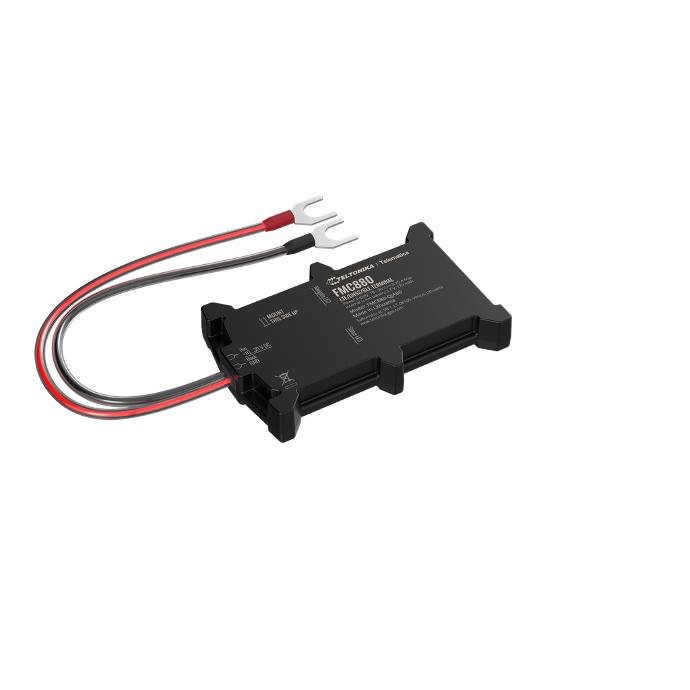
For service vehicles and power-driven machines of which you want to know the location and number of running hours, it is best to choose a cable-based solution. This is a measurement solution that uses the supply voltage of the service vehicle or machine. The supply voltage ensures that the device remains active at all times.
With power-driven machines, one often chooses to place the measurement solution there where the technician can install it in the least amount of time. In short, where the technician can easily get to the wiring and where power can be siphoned.
Consider carefully whether this is the right choice for you. After all, when turning off the machine, you may also deprive the GPS tracking of its power supply.
An alternative is to siphon power directly from the battery. Often this requires an extra effort on the part of the technician but this ensures that your telematics solution is continuously powered.
For machines that do not have constant power supply, choose GPS trackers with batteries. This way, you still have insight into its location and operating hours. Also very convenient if you are looking for a solution that you want to use on a machine today and tomorrow on another.
How does a GPS tracker function?
The functioning of a GPS tracker relies on an ingenious system of satellite navigation, similar to the use of GPS and Galileo. A GPS tracker connects to a network of satellites orbiting the earth. These satellites transmit signals, which are received by GPS receivers on the ground.
These receivers can be integrated into a variety of devices, including smartphones, tablets and dedicated GPS tracking devices. By receiving signals from multiple satellites, the tracker can determine the exact positioning, speed and altitude of a device; which is essential for accurate tracking and positioning.
Calculus can help you with both wired GPS trackers and battery-powered solutions in monitoring your machines and service vehicles.
Advanced
Via het advanced programma weet u niet alleen de locatie van het toestel maar verbinden we ook met de sturing. Zo hebben we de belangrijkste parameters inzichtelijk.
Naast verbruik en belastingsgraad brengen we storingsmeldingen universeel in beeld.
Deze communicatiemodule van Calculus is in staat om een coldstart van een generator op afstand te genereren.
Optioneel monitort u het niveau van de brandstoftank.
Premium
Naast het uitlezen van alle parameters uit de ingebouwde controller is het premium programma in staat om op afstand instellingen en settings van de sturing aan te passen.
Naast de exacte locatie en de uitgangsspanning meet u het aantal draaiuren en ziet u of de machine is aan-of uitgeschakeld.
U heeft te allen tijde het brandstofverbruik in kaart, ziet het rendement van uw generator en u stuurt bij waar nodig. Ook troubleshooten en het aansturen van technici doet u op afstand.
Optioneel monitort u het niveau van de brandstoftank.
There are many different GPS trackers on the market. As a rule, there are three things to look at. The technology used by the GPS tracker to determine its position, the network through which the device transmits its data to the dashboard and wether it's possible and desirable to opt for a wired version.
Location-wise, there are two options. The GPS tracker estimates the location based on triangulation, using three masts in the area you receive a position that approximates the actual position. Want to know exactly where something is located? Then be sure to choose a GPS tracker that uses a GPS chip. Next, you look at which network the GPS tracker uses to transmit its data. There are several options here, such as 4G/NBIOT, 2G, Sigfox and LoRaWAN.
4G/NBIOT is the best possible solution in terms of coverage, suitable for both indoor and outdoor use. In short, anywhere you have cellphone reception. This is also a network where you can be sure that data will be transmitted effectively. The same goes for 2G, keep in mind this network stops from 2025.
With Sigfox and LoRaWAN, you don't have that certainty. Coverage of these is limited, you may experience problems when crossing national borders and data may not be transmitted to the network. Are these then ill suited for that purpose? Not necessarily, it all depends on the application you want to use the GPS tracker for.
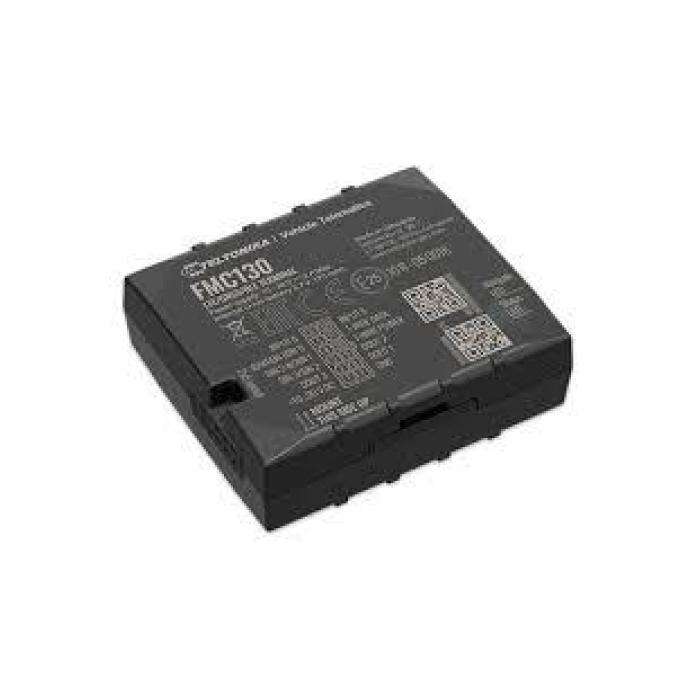
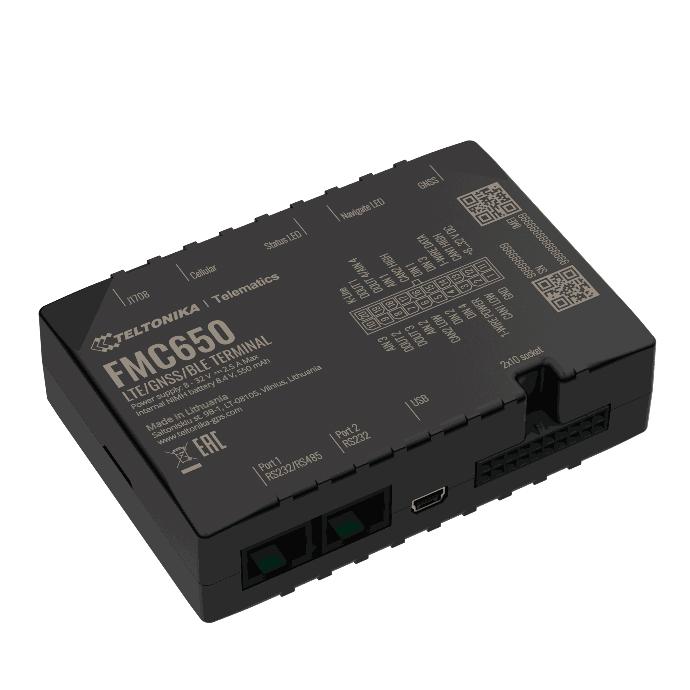
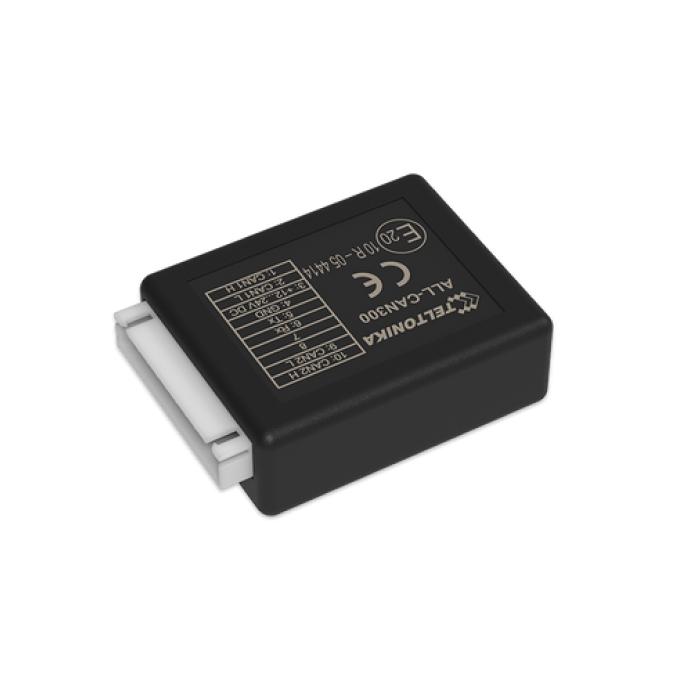
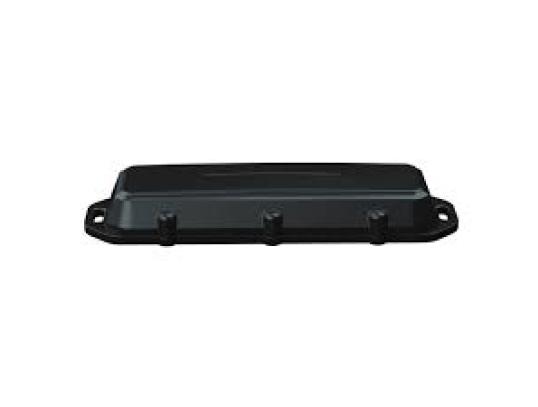
Finally, look at the device you wish to track with a GPS. Do you have the ability to provide the GPS tracker with a fixed power supply? Then opt for a wired version of Teltonika on 4G. Is there no fixed power supply available and are you looking for a solution that you can use flexibly between different machines? Then we recommend you choose a battery-powered version of Digital Matter.
Die Wahrung Ihrer Privatsphäre hat für uns Priorität.
Die Verwendung von Cookies von dieser Website in diesem Browser zulassen?
Wir verwenden Cookies, um die Nutzung dieser Website zu vereinfachen. Mehr über unsere Cookies und deren Verwendung erfahren Sie in unserem Cookie-Politik.